

Are people basically good? Or…do we need to be wary of every one? What about family? Close friends? Your church? Coworkers? Yourself?
[WRITER’S ADDITIONAL NOTE: If you saw a social media post with a new blog post from me or received an email update saying there was one yesterday and it disappeared, you aren’t imagining things. I wrote and wrote and published. Even after reading it over and over, it was only later that I realized that I had somewhat done two posts in one. I started with one focus and somewhere along the way another idea took over. I took it down and picked the topic I wanted to write about most right now. Please continue even if you started reading the one that disappeared.}
I have always basically believed in the goodness of humanity. Don’t we all want to believe that people are moral and will rise to the occasion when they see others in need. When there is a horrible event like 9-11 or another mass shooting, social media is riddled with memes of Mr. Rogers giving the advice to look for the helpers. It is good advice that will hopefully keep despair at bay.
It seems vital to our well-being to trust that the people in our lives will also rise to the occasion. We trust that they will be the helpers Mr. Rogers talks about. And some of them will. It is nice to have that trust and hope in humanity, especially those folks in our daily orbit, but lately I have been reminded over and over again of Maya Angelou’s words: “When someone shows you who they are, believe them the first time.”
Many posts on this blog have dealt with boundaries – the setting of them, why they are important, etc. I have also written extensively of my willingness to forgive but inability to forget. Forgiving and forgetting are often spoken of together. The second part can be problematic if it becomes an obstacle within a relationship, but I never thought of the willingness to forgive as something negative.
We need to have an ability to forgive. It’s important to be able to do that —even when an apology was never given. We have to be able to do this for our own sanity and well being. Anger and hurt that is clung to will destroy the person holding on, not the one who caused the initial hurt or pain. Nathaniel Hawthorne wrote about the effect of holding on to the negative or seeking revenge and of the destructive power these unleash in our lives. In The Scarlet Letter, Roger Chillingsworth, Hester Prynne’s jealous husband, seeks revenge and never lets up. As the novel goes on, his health and his physical being deteriorate until the point where he ultimately dies from the poisonous emotions he has kept.
Sometimes it can be easier to get over major things. We tend to deal with them, and if we can’t, we hopefully seek help. One of the baffling parts of who I am is that I have an ability to do this with major things but sometimes find it impossible with smaller things. I’ll explain with a personal example. I have been able to forgive my ex and his wife (the woman he had an affair with while we were married) and feel no ill will toward them. We have been able to sit down to dinner together, attend athletic events, graduations, weddings, and funerals together. I have put that in the past; I had to in order for it not to continue harming me and ultimately my son. However, I don’t forget what they did. Every now and then there is still a tinge of hurt or resentment, but I certainly never dwell on it and can have exchanges with them without the past ever coming to mind. But I will never fully trust them. That seems reasonable to me.
This kind of forgiveness comes from an actual decision to release the pain, release the hurt, and release the people who cause it. We need to find a way or find help so that we don’t end up like Chillingworth. Hanging on will allow that feeling to ruin all of our lives and relationships.
What often becomes more insidious are the minor actions and careless words that come from people we trust and care for. Good friends and family members who have done smaller things that hurt, hurled words that stung, and did other things that they have probably forgotten over the years may end up having a longer term effect. Do you do what I do? I believe and maintain that I have forgiven. I haven’t. Since these things were never discussed, never dealt with, never acknowledged in many cases, they often come up as the long litany of offenses when a new one occurs. If we just stack a new offense on top of old ones that we dredge up, we still feel the hurt or anger as it amasses. If that is the reaction, there has not been forgiveness. And Lord knows, things have not forgotten either.
In all of my writing and thinking and searching for answers about the setting of boundaries to protect a person’s health and well-being, I have never considered when it is okay do do what Dr. Angelou says and when to act on that advice.
People often excuse those small hurts from family or those we consider to be friends. No one wants to hold a loved one to a standard of perfection any more than we want to hold ourselves to that standard. So we justify.
Maybe he’s having a really bad day. My cousin might just not feel well. And probably the most common and most dangerous excuse we make is “Well, that’s just ____ That’s just how they are.” Most dangerous because we encourage the behavior and allow them to build. What also builds it the weight it places on us.
We don’t follow her advice to believe that those actions are showing who the person really is. If we make excuses for their behavior, we don’t acknowledge their true colors. We still expect them to be loyal, kind, and trusted friends. We aren’t being judgy. We aren’t “mean” or “harsh” or “bitchy” so we look like we are just nice.
But when does that change? To paraphrase Langston Huges, what happens to an emotion detered? Does it dry up like a raisin in the sun…or does it explode?
When do you say “enough” and not allow it to happen again? Is it when a friend repeatedly lies to you – sometimes to gain your sympathy or assistance, sometimes to manipulate a situation, sometimes out of the omission or failure to speak truth? Is it when they openly say things over and over that they know will hurt you and then try to make you the villain in the aftermath? Is it when a person shows that the friendship you thought you shared is a facade by cancelling plans many times at the last minute to do something else or when they believe a lie that someone else said about you? Certainly, everyone wants to grant their friends some grace and not judge them for one action or one careless, hateful word. Right? We would want that grace ourselves. So how many times can you or should you allow such things to happen before walking away? Even when you know that some actions and words are the result of their hurts and trauma, how much can you allow them to throw on your shoulders to carry? Is it when the mention of them puts you on edge? Or is it just when you leave more encounters angry than not? We are quick to complain about what happens. We are quick to run the reel of their behaviors on a never ending loop in our minds. But what is the truth about these encounters? What will you realize that allows you to walk away without guilt?
I was led to a startling discovery today. I’m wondering if this will ring true to you as well. When these people take advantage, do things that are hurtful — when they keep showing you who they are and you get angry over the hurt you feel… Who caused the hurt? Who are you angry with? Are you really angry with them or is it with yourself? Today I was led to the realization that while I may complain about and feel that I was hurt by someone else, quite often my anger is really with me.
Often these reactions are not anger with someone else. It is really the shame that comes from realizing that you allowed it to happen. Again. You’ve set yourself as a doormat. It is the realization that you have not drawn the boundaries to keep your sense of self and worth protected. Heeding the advice Dr. Angelou gave, could have saved a great deal of hurt. Who are you angry with?
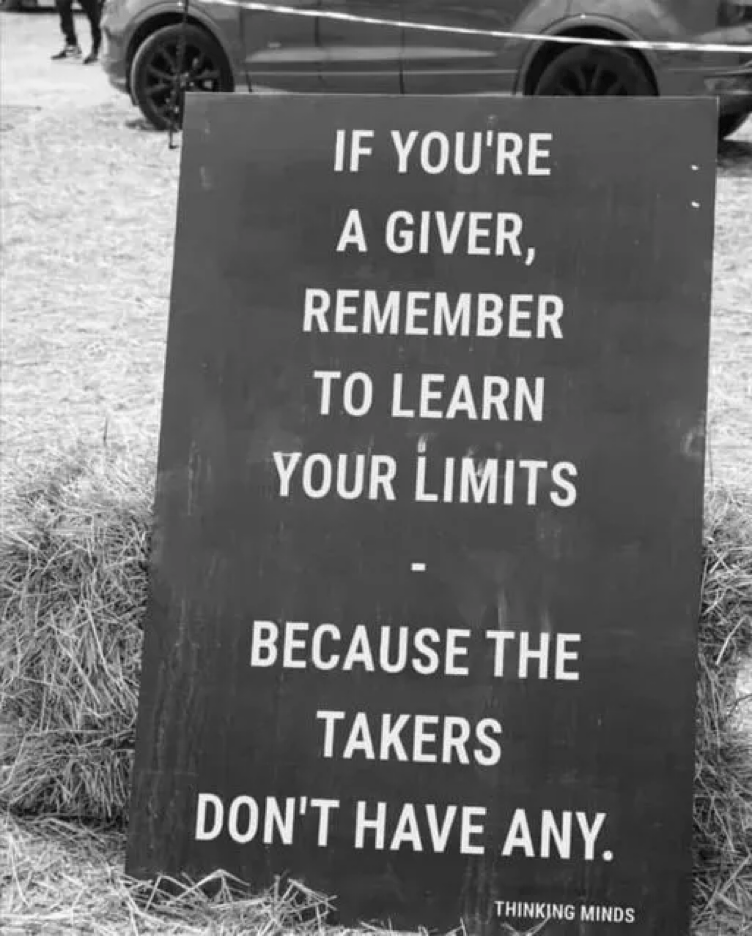


 A Word Aptly Spoken
Leave a reply to danispixelchix Cancel reply